Combine Cardio and Strength Training for Fat Loss
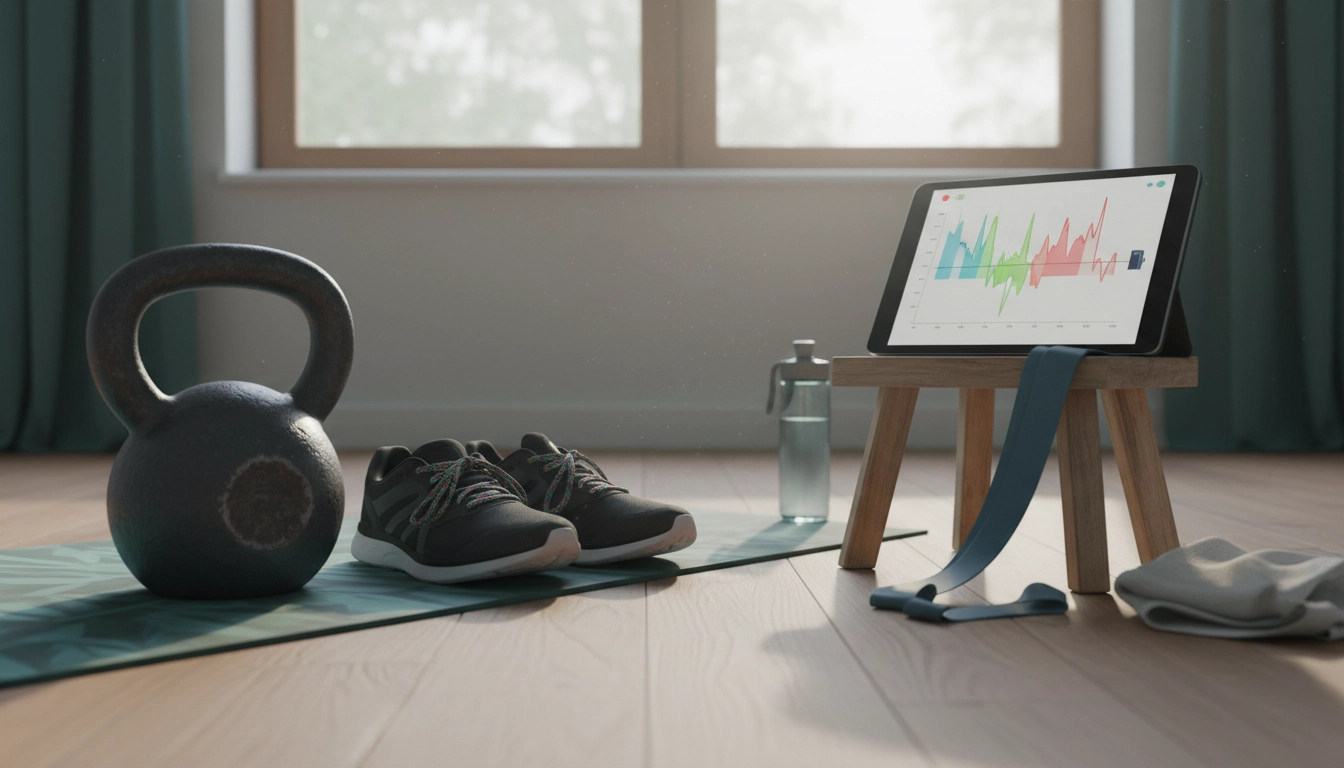
How to combine cardio and strength training for fat loss?
For fat loss, the most reliable combo is lifting to keep (or build) muscle, plus cardio to increase weekly calorie burn and conditioning. The goal isn’t to do “more of everything,” but to place each session so you can train hard, recover, and stay consistent.
1) Prioritize strength training 3–4 days per week
Strength work is the anchor because preserving lean mass helps keep metabolism and performance higher while dieting. Focus on full-body or upper/lower splits built around compound moves (squat/hinge/push/pull/carry). Keep most sets in a moderate rep range (6–12 reps) and try to add a little weight or reps over time.
2) Add cardio 2–4 days per week (mix easy and hard)
Use low-to-moderate steady cardio (walking, incline treadmill, cycling) for recovery-friendly calorie burn, and limit high-intensity intervals (HIIT) to 1–2 sessions weekly. Too much HIIT can interfere with leg strength, sleep, and appetite control.
3) Arrange sessions to reduce interference
If possible, lift first and do cardio after, or separate them by 6+ hours. Keep hard intervals away from heavy leg days (or place HIIT on upper-body lifting days). Easy cardio (like brisk walking) can fit almost anywhere, including rest days.
4) Sample weekly layout
Mon: Strength (full body) + 10–20 min easy cardio
Tue: 30–45 min easy cardio (or steps goal)
Wed: Strength (upper/lower emphasis)
Thu: HIIT 15–25 min (or tempo intervals) + mobility
Fri: Strength (full body)
Sat: 45–60 min easy cardio
Sun: Rest or light walk
5) Nutrition and recovery make the combo work
Maintain a modest calorie deficit, get plenty of protein, and sleep 7–9 hours. If performance drops sharply, reduce HIIT first, then trim cardio volume before cutting strength days.
For a more detailed weekly plan and progress tips, visit this complete guide to combining cardio and strength training.
FAQ
Should I do cardio before or after weights?
For most people aiming to lose fat while keeping strength, lift first and add cardio after. If you must do cardio first, keep it easy (10–15 minutes) so it doesn’t reduce your lifting performance.












Leave a comment